
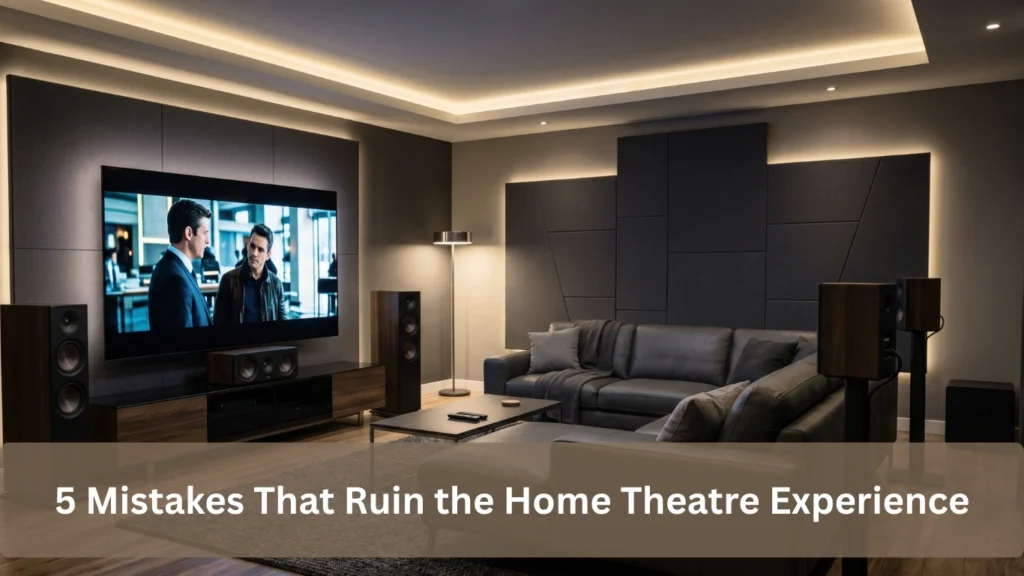
A home theatre is more than just a large screen and powerful speakers. It is a carefully planned entertainment space where audio, visuals, seating, lighting, and room acoustics work together to create an immersive experience. However, many homeowners invest heavily in equipment and still feel disappointed with the final result.
The reason is often simple: a few common mistakes can significantly reduce sound quality, picture clarity, and overall comfort. Whether you are planning a dedicated home cinema room or upgrading your living room entertainment setup, understanding these mistakes can help you create a truly enjoyable experience.
If you are considering professional home theatre installations, avoiding these issues from the beginning can save time, money, and frustration.
Why Does a Home Theatre Sometimes Feel Less Impressive Than Expected?
Many people expect a home theatre to deliver a cinema-like experience immediately after installation. However, even premium speakers, projectors, and screens cannot perform at their best when placed incorrectly or used in an unsuitable environment.
The most common problems include poor speaker positioning, incorrect screen size, inadequate room acoustics, improper lighting, and uncomfortable seating arrangements. These factors can make even the most expensive home theatre system feel underwhelming.
Let’s explore the five mistakes that often ruin the home theatre experience.
Mistake #1: Choosing the Wrong Screen Size for the Room
One of the biggest misconceptions is that bigger is always better. While a large display can be impressive, an oversized screen in a small room can create viewing discomfort.
If the screen is too large, viewers may constantly move their heads to follow the action. On the other hand, a screen that is too small may fail to create the immersive experience expected from a luxury home cinema.
How Big Should a Home Theatre Screen Be?
The ideal screen size depends on:
- Room dimensions
- Viewing distance
- Screen resolution
- Seating arrangement
For example, a 4K display allows viewers to sit closer without noticing pixels, while projector screens often require more distance for comfortable viewing.
Professional home theatre installations typically calculate viewing angles and seating distances before finalizing screen dimensions. This ensures a balanced and enjoyable viewing experience for everyone in the room.
Mistake #2: Poor Speaker Placement That Weakens Sound Quality
Many homeowners focus heavily on display technology but underestimate the importance of speaker placement.
Even premium surround sound speakers can sound disappointing if they are positioned incorrectly.
Where Should Speakers Be Placed in a Home Theatre?
Speaker placement directly affects:
- Dialogue clarity
- Bass performance
- Surround sound immersion
- Sound balance across seating positions
Common mistakes include:
- Placing front speakers too close together
- Positioning surround speakers at ear level instead of slightly above
- Blocking speakers behind furniture
- Installing subwoofers without testing the room response
A properly configured surround sound system should make viewers feel like they are inside the action rather than simply watching it.
Whether using a 5.1, 7.1, or Dolby Atmos setup, speaker positioning plays a major role in delivering a cinematic audio experience.
Can Room Acoustics Affect Home Theatre Sound Performance?
Absolutely.
This is one of the most overlooked aspects of home theatre design.
Mistake #3: Ignoring Room Acoustics and Sound Reflection
Many people invest in expensive speakers but forget that the room itself influences sound quality.
Hard surfaces such as:
- Marble flooring
- Glass walls
- Bare ceilings
- Large windows
can create excessive sound reflections and echoes.
As a result, dialogue may sound unclear, bass may feel uneven, and overall audio performance can become harsh or distorted.
How Can You Improve Home Theatre Acoustics?
Several solutions can improve acoustic performance:
- Acoustic wall panels
- Sound-absorbing curtains
- Carpeting and rugs
- Fabric furnishings
- Acoustic ceiling treatments
These elements help control reflections and create a more balanced sound environment.
Modern home theatre rooms often include acoustic planning as part of the installation process to ensure the audio system performs at its full potential.
Mistake #4: Poor Lighting That Reduces Picture Quality
Picture quality is not determined solely by the television or projector. Lighting conditions play a critical role in visual performance.
A high-end projector can appear dull and washed out if excessive ambient light enters the room.
What Is the Best Lighting Setup for a Home Theatre?
An ideal home theatre lighting design includes:
- Dimmable lighting controls
- Indirect ambient lighting
- Blackout curtains
- Anti-glare screen positioning
- Accent lighting for safety and aesthetics
Many homeowners make the mistake of placing screens directly opposite large windows. This often creates reflections and glare that distract viewers and reduce image contrast.
Proper lighting design enhances both visual comfort and cinematic immersion.
Why Does My Home Theatre Seating Feel Uncomfortable During Long Movies?
Even the best audio and video systems cannot compensate for poor seating.
Comfort is a crucial part of the entertainment experience.
Mistake #5: Prioritizing Equipment Over Seating and Layout
Many home theatre budgets are heavily allocated toward electronics, while seating receives little attention.
However, viewers may spend two to three hours at a time watching movies, sports, or streaming content.
Poor seating arrangements can lead to:
- Neck strain
- Back discomfort
- Limited viewing angles
- Reduced enjoyment
What Is the Ideal Seating Position in a Home Theatre?
The ideal seating layout should consider:
- Distance from the screen
- Eye-level alignment
- Clear sightlines
- Accessibility
- Number of viewers
Dedicated home theatre recliners, tiered seating platforms, and ergonomic furniture can dramatically improve comfort and viewing quality.
A well-designed seating arrangement ensures every seat feels like the best seat in the room.
Is Professional Home Theatre Installation Worth It?
This is one of the most commonly searched questions among homeowners planning a home cinema.
Professional installation often helps eliminate costly mistakes before they happen.
Experts evaluate:
- Room dimensions
- Acoustic conditions
- Speaker positioning
- Screen placement
- Lighting control
- Cable management
- Future upgrade possibilities
Rather than focusing solely on equipment specifications, professionals create a complete entertainment environment where every component works together.
For homeowners seeking a seamless and immersive setup, companies like Touch & Feel Electro System often emphasize overall room performance rather than simply installing individual devices.
How Can You Make a Home Theatre Feel Like a Real Cinema?
Creating a cinema-like experience requires a combination of technology and design.
Key elements include:
- Optimized screen size
- Balanced surround sound
- Acoustic treatment
- Controlled lighting
- Comfortable seating
- Smart automation integration
Many modern luxury home cinema projects also incorporate smart controls that allow users to manage lighting, sound, climate, and media playback through a single interface.
This level of convenience enhances both functionality and enjoyment.
Transform Your Movie Nights, Not Your Mistakes
A home theatre should be a place where family and friends can enjoy immersive entertainment without distractions. Unfortunately, mistakes such as choosing the wrong screen size, poor speaker placement, ignoring room acoustics, inadequate lighting, and uncomfortable seating can prevent even premium systems from delivering the expected experience.
The good news is that these issues are entirely avoidable with proper planning and expert guidance. Whether you are building a dedicated home cinema room or upgrading an existing entertainment space, focusing on the complete environment rather than individual gadgets will deliver the best results.
A thoughtfully designed home theatre installation from experienced professionals like Touch & Feel Electro System can help create the perfect balance of sound, visuals, comfort, and convenience, turning every movie night into an unforgettable experience.
